


Quick Summary: The skin barrier is the outermost layer of your skin. Its job is to lock in moisture and keep out bacteria, pollutants, and irritants. When it’s damaged, skin becomes dry, sensitive, reactive, and prone to breakouts. The most common causes are over-exfoliation, harsh products, UV exposure, stress, and genetics.
Skin barrier issues are more common than most people realise – globally, around 60-70% of women and 50-60% of men report some degree of sensitive skin, which often reflects some level of barrier disruption.
Key points:
- A damaged skin barrier causes dryness, redness, stinging, sensitivity, and breakouts
- UV exposure, harsh skincare, stress, and genetics are the most common causes
- Repair starts with simplifying your routine and pausing actives
- Key ingredients to look for include ceramides, hyaluronic acid, glycerin, niacinamide, and panthenol
- Mild cases improve in two to four weeks; severe damage can take up to six months
- Some skin conditions – including eczema, rosacea, perioral dermatitis, and psoriasis – affect the barrier and require professional treatment
Note: Some links in this article are affiliate, meaning White Rabbit Social receives a small commission at no extra cost to you.
What Is the Skin Barrier, and Why Does It Matter?

Your skin barrier – scientifically known as the stratum corneum – is the outermost layer of your skin, and it’s doing a lot more heavy lifting than most of us realise.
Think of it like a brick wall. The “bricks” are tightly packed skin cells called corneocytes, and the “mortar” holding them together is a carefully balanced mix of lipids, ceramides, cholesterol, and fatty acids. Together, they form a mostly impermeable shield between your body and the outside world.
Its two core jobs are simple but essential: keep the good stuff in – mainly moisture and natural oils – and keep the bad stuff out, including bacteria, pollutants, and everyday irritants. When your barrier is functioning well, your skin feels soft, calm, and resilient. When it isn’t, you’ll know about it.
What Causes a Damaged Skin Barrier?

Barrier damage rarely comes from one single thing. More often, it’s the accumulation of external pressures and internal factors that gradually wear it down.
External Skin Barrier Factors
Living in Australia means contending with some of the harshest UV conditions in the world – and sun exposure is one of the most significant drivers of barrier damage.
UV radiation breaks down the lipids and proteins that hold your barrier together, weakening it over time even before visible sun damage appears. At least two-thirds of melanomas and almost all keratinocyte skin cancers in Australia are linked to UV exposure, and high UV environments can cause DNA damage early in life that increases long-term skin vulnerability.
Beyond UV, everyday environmental aggressors like pollution, allergens, strong winds, and extreme temperatures – both hot and dry or cold and humid – can strip moisture from the skin’s surface and disrupt its balance.
Harsh skincare habits compound the problem: over-cleansing, over-exfoliating, and reaching for products formulated with drying alcohols, artificial fragrances, or high-pH soaps are all common culprits.
Physical scrubs are particularly problematic – they can create microscopic tears in the skin that trigger inflammation and, over time, lead to increased breakouts and sensitivity.
Internal Skin Barrier Factors
Your skin doesn’t exist in isolation from the rest of your body, and what’s happening internally shows up on the surface.
Psychological stress is a well-documented driver of skin barrier disruption – cortisol affects the skin’s ability to retain moisture and defend itself.
Genetics also play a role. People with a predisposition to eczema, psoriasis, or atopic dermatitis often have naturally compromised barrier function, which makes them more susceptible to flare-ups and sensitivity.
Age is another factor – moisture content in skin cells decreases over time, making the barrier progressively thinner and more vulnerable. Poor sleep, smoking, and a diet lacking in essential fatty acids can all accelerate this process.
Signs of a Damaged Skin Barrier
A struggling skin barrier tends to make itself known fairly quickly. Some of the most common signs include:
- Persistent dryness, flakiness, or tight-feeling skin that doesn’t respond to moisturiser
- Itchiness or irritation that seems to linger without an obvious cause
- Rough texture or discoloured patches developing where skin previously felt smooth
- An increase in breakouts or congestion, as a compromised barrier allows bacteria in more easily
- Stinging or burning when applying products – including ones you’ve used without issue before
- Heightened sensitivity to environmental changes like wind, heat, or air conditioning
- Redness and visible inflammation
- A dull, lacklustre complexion that’s lost its usual glow
- In more serious cases, bacterial, viral, or fungal skin infections
If you’re noticing several of these at once – particularly after switching up your routine or spending more time outdoors – your barrier is likely asking for help.
Quick Skin Barrier Self-Check
If you’re unsure whether your barrier is compromised, ask yourself:
- Does your skin sting when applying basic products?
- Are you suddenly breaking out despite no routine changes?
- Does moisturiser seem to sit on top rather than absorb?
- Is your skin tight even when hydrated?
- Are redness or sensitivity new for you?
If you answered yes to multiple questions, barrier disruption is likely.
Common Skin Barrier Mistakes

Barrier damage often isn’t caused by one dramatic mistake – it’s usually the result of well-intentioned habits adding up over time. Some of the most common ones include:
- Over-exfoliating in the pursuit of “glow” – Between chemical exfoliants, retinoids, toners, scrubs, and resurfacing masks, it’s surprisingly easy to stack too many actives without realising it. Skin that feels persistently tight, shiny, or reactive is often asking for less, not more.
- Chasing trends instead of listening to your skin – Skincare trends move quickly – slugging, skin cycling, intensive actives, minimalist routines. What works for one person may not work for another. Barrier health improves fastest when routines are personalised rather than trend-led.
- Over-cleansing, especially in harsh climates – Living in Australia means higher UV exposure, air conditioning, and environmental stressors. Cleansing too frequently or using very foaming formulas can compound dehydration rather than solve it. It’s worth noting that only around 53.9% of Australians regularly use multiple forms of sun protection during peak UV times – leaving the barrier exposed to one of its most significant aggressors.
- Switching products too frequently – Constantly introducing new formulas makes it difficult for your skin to stabilise. It also makes it harder to identify what’s actually helping – or harming – your barrier.
- Skipping sunscreen when your skin feels sensitive – It can feel counterintuitive, but compromised skin needs UV protection even more. Sun exposure slows barrier repair and increases inflammation, even on cloudy days.
- Trying to “fix” irritation with more products – When skin becomes reactive, the instinct is often to add treatments. In reality, simplifying your routine is usually far more effective.
Barrier repair tends to reward consistency, patience, and restraint. A simple routine used regularly will almost always outperform an elaborate one used sporadically.
How to Repair a Damaged Skin Barrier
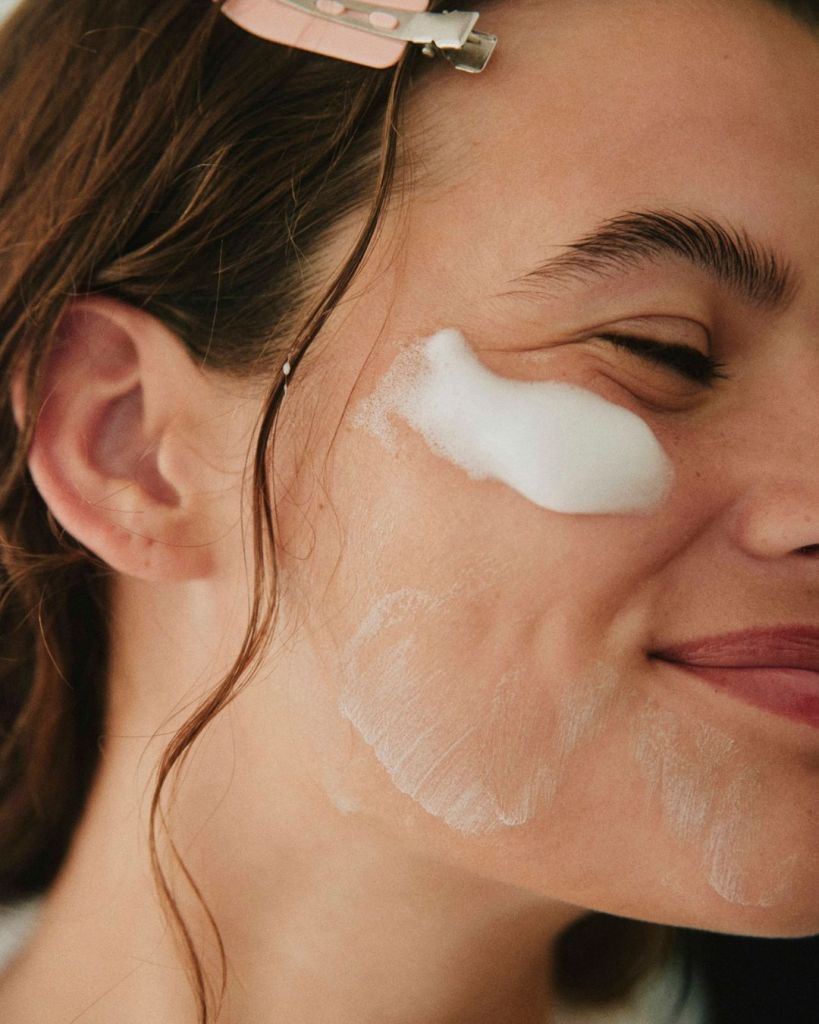
The good news is that the skin barrier can repair itself with the right conditions. The key is giving it the space and support to do so.
Simplify Your Skincare Routine First
When your barrier is compromised, less is genuinely more. The instinct to throw every product at the problem tends to make things worse, not better.
Start by pausing any actives – retinol, AHAs, BHAs, and vitamin C included. These ingredients are valuable in a healthy routine, but they can further irritate sensitised skin.
Strip your routine back to three essentials: a gentle cleanser, a nourishing moisturiser, and SPF. Avoid physical scrubs and harsh foaming cleansers entirely while your skin is in recovery mode. Once your barrier has stabilised and skin feels calm again, you can slowly begin reintroducing actives one at a time.
Choose The Right Ingredients
Knowing which ingredients actively support barrier repair makes it much easier to choose products that will help rather than hinder.
Elevated transepidermal water loss (TEWL) is widely recognised as a key marker of a compromised skin barrier – so the goal is to choose ingredients that actively reduce it.
Look for:
- Ceramides – lipids that occur naturally in the skin and make up roughly 50% of the lipids in the skin barrier; replenishing them directly supports repair and is widely considered the cornerstone of barrier-focused skincare
- Hyaluronic acid – a humectant that draws moisture into the skin and can hold up to 1,000 times its weight in water
- Glycerin – another humectant that traps water within the skin and helps maintain deep hydration
- Niacinamide – calms redness, supports lipid and protein production, and reduces transepidermal water loss
- Plant oils (jojoba, argan, rosehip, sunflower) – closely mimic the skin’s natural oils and help reduce moisture evaporation
- Panthenol (pro-vitamin B5) – soothes irritated skin and improves elasticity, particularly useful for dry or sensitive barrier types
Pay Attention to pH
The skin’s acid mantle – the thin, slightly acidic film that sits on the surface – plays a protective role in keeping bacteria and pathogens at bay.
It sits at around pH 4.0–5.8, and many common cleansers, particularly soap-based formulas, are far too alkaline to support it.
Look for cleansers with a pH between 4.0 and 5.0. It’s a simple switch that makes a meaningful difference, particularly if you’re prone to sensitivity or recurring barrier disruption.
Protect With Sunscreen And Sun Protection Daily
If your barrier is already compromised, unprotected sun exposure will continue to break it down faster than it can repair itself. A broad-spectrum SPF 50+ applied every morning – including on overcast days – is non-negotiable.
UV doesn’t stop penetrating cloud cover, and Australia’s UV index remains high even in cooler months.
Support Skin From The Inside
Barrier health isn’t purely topical. Staying well hydrated, eating foods rich in omega-3 fatty acids, and getting enough vitamins A, C, and E all contribute to skin resilience from within.
Managing stress and prioritising sleep are equally important – both have a measurable impact on how effectively the skin barrier functions and repairs overnight.
How Long Does a Damaged Skin Barrier Take to Heal?
There’s no single answer, and anyone promising overnight results is worth approaching with scepticism.
Read: How Long Does Skincare Take to Work? A Realistic Timeline for *That* Viral Ingredient
For mild barrier disruption – say, a reaction to a new product or a period of over-exfoliation – you may notice improvement within two to four weeks of simplifying your routine.
More severe or long-standing damage can take anywhere from one to six months to fully resolve.
Consistency matters far more than the quantity of products you use; a simple, well-chosen routine used reliably will outperform a complicated one every time.
Skin Conditions That Affect the Barrier – and When to See a Professional

Some skin concerns go beyond general barrier damage and point to an underlying condition that needs proper diagnosis and treatment.
If your skin isn’t responding to a simplified routine after several weeks, or if you’re experiencing significant discomfort, it’s worth speaking with a GP or dermatologist.
In Australia, eczema affects around 16.4% of the population – roughly 2.8 million people – one of the highest rates globally. It’s a stark reminder that barrier-related conditions are not niche concerns, and that professional support is often both necessary and available.
Conditions that commonly affect the skin barrier include:
- Eczema (atopic dermatitis) – One of the most common barrier-related conditions, eczema is linked to a genetic mutation that affects filaggrin, a protein essential for keeping the barrier intact. This causes chronic dryness, intense itching, and inflamed patches that often require prescription treatment to manage effectively.
- Psoriasis – An autoimmune condition that accelerates skin cell turnover, causing a build-up of thick, scaly patches. It disrupts the barrier’s ability to retain moisture and protect against irritants, and flare-ups can be triggered by stress, certain medications, and environmental factors.
- Rosacea – A chronic inflammatory skin condition that causes persistent redness, visible blood vessels, and sensitivity. People with rosacea typically have a compromised barrier that reacts strongly to temperature changes, UV exposure, alcohol, and certain skincare ingredients.
- Contact dermatitis – An inflammatory reaction triggered by direct contact with an allergen or irritant. It presents as a red, itchy, sometimes blistering rash and can significantly weaken the barrier if left untreated or repeatedly triggered.
- Perioral dermatitis – A rash that develops around the mouth, nose, or eyes, often linked to prolonged use of topical steroids or heavy barrier creams. It can be mistaken for acne or rosacea and usually requires a dermatologist to diagnose and treat correctly.
These conditions share symptoms with general barrier damage – dryness, redness, sensitivity, and irritation – which is why they’re easy to self-treat without realising something more specific is going on.
If your skin concerns are persistent, recurring, or significantly affecting your quality of life, please see a medical professional rather than continuing to troubleshoot on your own.
Skin Barrier vs Moisture Barrier – Is There a Difference?

You’ll often hear these two terms used interchangeably, and for the most part, they’re referring to the same thing. Both point to the stratum corneum – that outermost layer of skin responsible for protecting your body and locking in hydration.
The subtle distinction is one of emphasis. “Skin barrier” tends to be used as the broader term, capturing everything the stratum corneum does: defending against bacteria, pollutants, allergens, and UV damage, as well as regulating moisture.
“Moisture barrier” narrows the focus specifically to that hydration-locking function – how well your skin retains water and prevents transepidermal water loss.

In practice, you can’t really separate the two. A barrier that isn’t retaining moisture isn’t functioning properly as a protective barrier either, and vice versa.
When skincare brands talk about “moisture barrier repair,” they’re ultimately talking about the same repair process as “skin barrier repair” – replenishing ceramides, lipids, and humectants to restore the stratum corneum’s structure and function.
So if you’ve been wondering whether you need to be shopping for “skin barrier” products versus “moisture barrier” products – you don’t. The ingredients to look for, and the approach to repair, are exactly the same.
Skin Barrier Repair Products Worth Knowing About

Almost any product can support your skin barrier – it comes down to the ingredients inside and how well they match your skin type and concerns. Here are our current picks, and why each one earned its spot.
Best barrier cream for dry skin: La Roche-Posay Cicaplast Baume B5+
A cult product for good reason. The Cicaplast Baume B5+ combines panthenol, madecassoside, and niacinamide to actively repair the barrier while calming inflammation.
It’s rich without being greasy and works equally well on the face and body – making it one of the most versatile barrier creams available in Australia.
Best Barrier Cream For Oily Skin: Avène Cicalfate+ Restorative Protective Cream
Barrier repair for oily or acne-prone skin is a tricky balance – too rich and you risk congestion, too light and you won’t get the repair benefit.
The Cicalfate+ sits in the sweet spot: a lightweight but genuinely protective formula with Avène’s thermal spring water and sucralfate, which supports healing without clogging pores.
Best Barrier Supporting Hand Cream: La Roche-Posay Cicaplast Mains Barrier Repairing Hand Cream
Hands are one of the most frequently compromised barrier zones – constant washing, hand sanitiser, and sun exposure take a toll quickly.
Read: The Holy Grail Hand Cream From the Viral Cicaplast Range Saved my Sensitive Hands
This hand cream uses the same Cicaplast complex as the baume but in a non-greasy formula that absorbs fast enough for daily use.
Best Barrier Serum: The Ordinary Soothing & Barrier Support Serum
For an accessible price point, The Ordinary’s barrier serum punches well above its weight. It combines amino acids, ceramides, and hyaluronic acid to address barrier repair from multiple angles – hydration, lipid replenishment, and skin calming. A strong choice for anyone building a repair routine on a budget.
Best Ceramide Moisturiser: Alpha-H Firming Collagen Repair Cream
An Australian brand worth knowing for barrier support. This cream layers ceramides with peptides and collagen-boosting ingredients – making it a smart pick for mature skin where barrier thinning and loss of elasticity tend to go hand in hand.
Read: Alpha-H Skincare Review: Best Products and What’s Worth Buying
Best Barrier Repair Cleanser: Boring Without You Forgiveness™ Gentle & Soft Osmolyte Gel Cleanser
The cleanser step is where a lot of barrier damage happens without people realising it. This osmolyte-based gel cleanser removes impurities without stripping natural oils – leaving skin feeling clean rather than tight. A genuinely thoughtful formulation for compromised skin.
Best Barrier Oil: biobod Barrier Restore Nutrient Oil
Plant-based barrier oils work by mimicking the skin’s natural lipid composition and reducing moisture evaporation.
Read: How I Repaired My Skin Barrier With 4 Soothing Products
The biobod Barrier Restore Nutrient Oil uses a blend of Australian native botanicals to do exactly that – and it absorbs quickly enough to layer under moisturiser without pilling.
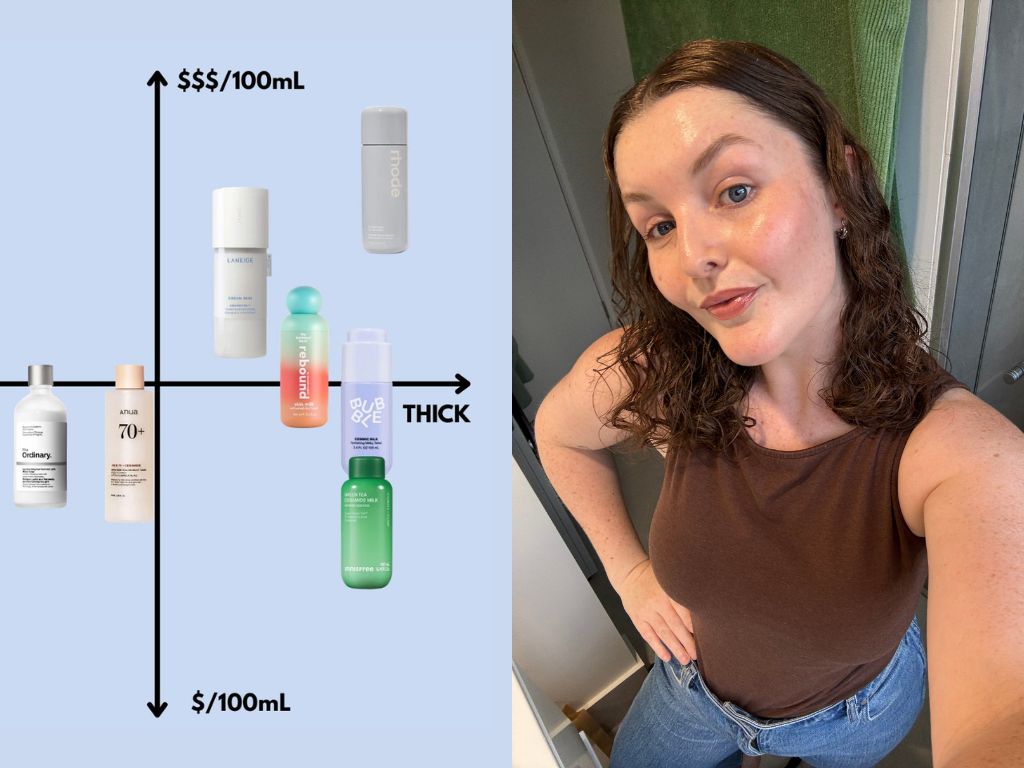
Best Barrier Toner: INNISFREE Green Tea Ceramide Milk
Toners have come a long way from the astringent formulas that used to strip skin bare. This ceramide-rich milk toner from INNISFREE adds a layer of hydration and barrier support between cleansing and moisturising – particularly useful if your skin is prone to feeling tight after washing.
Best Barrier Repair Mask: La Roche-Posay Cicaplast B5 Facial Sheet Mask
Sometimes your barrier needs an intensive hit rather than incremental daily care. This sheet mask delivers a concentrated dose of the Cicaplast complex and panthenol in a single use – useful after a period of over-exfoliation, after sun exposure, or when your skin needs to reset quickly.
Best Barrier Cream For Acne-Prone Skin: SVR CICAVIT+ Skin Fast Repair Cream
Acne-prone skin and a damaged barrier often go together – yet most repair creams are too heavy for breakout-prone skin types.
Read: Barrier Repair For Acne-Prone Skin: How to Repair Without The Congestion
The SVR CICAVIT+ uses polysaccharide and glycerin to support repair and reduce inflammation without the heavy occlusive base that can trigger congestion.
Important: This content is for informational purposes only and does not replace professional medical guidance. Always consult a qualified healthcare provider for personalised advice.
Frequently Asked Questions About Damaged Skin Barriers
The most common indicators are persistent dryness that doesn’t resolve with moisturiser, increased sensitivity to products you’ve previously used without issue, redness, stinging on application, and a general feeling of tightness or irritation. If several of these are present at once, barrier damage is a likely cause.
Signs include dry or flaky skin, rough and discoloured patches, persistent itchiness, breakouts, stinging or burning when applying skincare, heightened sensitivity, redness, and in more serious cases, skin infections. A dull complexion that doesn’t respond to your usual routine is also a common early indicator.
Simplifying your routine is the most important first step – pausing actives and focusing on a gentle cleanser and a ceramide-rich moisturiser. Supporting your skin from within also helps: staying hydrated, eating foods rich in omega-3s and antioxidants, managing stress, and getting adequate sleep all contribute to natural barrier recovery.
If your skin isn’t improving after several weeks of gentle, simplified care – or if you’re experiencing persistent redness, intense itching, recurring infections, or symptoms that significantly affect your daily life – it’s worth seeing a GP or dermatologist. Conditions like eczema, rosacea, and psoriasis require professional diagnosis and tailored treatment.
In most cases, no – the skin barrier is remarkably resilient and capable of repairing itself with the right care. However, repeated over-exfoliation without recovery time can lead to ongoing sensitivity, inflammation, and chronic barrier impairment. The key is stopping actives early and allowing your skin time to reset.
It can – but it’s usually not the makeup itself. Issues often come from inadequate removal, fragranced formulas, or very matte, long-wear products that can emphasise dryness and irritation. Gentle cleansing and hydrating prep matter more than avoiding makeup entirely.
Generally, yes – at least temporarily. Retinoids, exfoliating acids, and strong actives can compound irritation when your barrier is already compromised. Once skin feels calm, hydrated, and stable again, you can reintroduce them slowly.
For some people, yes – applying an occlusive layer like petrolatum over moisturiser can reduce moisture loss and support healing. However, if you’re acne-prone, sensitive to occlusives, or already congested, it may not be the best approach. As always, context matters.







Leave a Reply